News
WHY NOT FMCG?!!!!
29 February 2024 | CIC
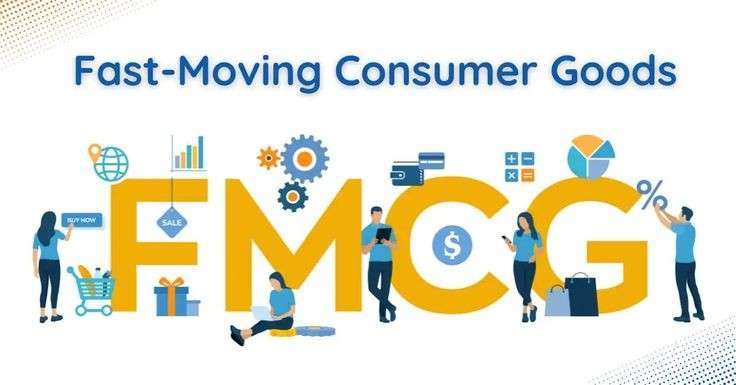
Hello chemical engineering and food engineering students!
Do you know about FMCG? For those who are not familiar with FMCG, you can read this article to enhance your knowledge about FMCG. is really important? Of course, as a chemical engineering students, we must consistently improve our knowledge of chemical engineering.
In Indonesia, the highest state income sector so far is still held by the Fast Moving Consumer Goods (FMCG) sector. The country's revenue rate from this sector is the highest compared to other Southeast Asian countries. The increase in revenue rate reached 8.3%. This figure has shown that Indonesia can reap a fairly high gross domestic income. Over time, the progress of FMCG companies can suppress inflation, maintain the rupiah exchange rate, increase the value of exports, and reduce unemployment.
Fast Moving Consumer Goods (FMCG) Company is a company engaged in consumer products that are in demand and sell quickly and have affordable prices so that goods can be sold quickly. More simply, FMCG is a term to refer to many products that sell quickly. Companies engaged in this field are able to carry out massive production due to the very high level of consumer demand. FMCG products are needed in all circles of society, so the product distribution process is massive to all directions. FMCG products are divided into four types, namely:
Food (Packaged processed foods, frozen foods, ready meals)
Drinks (Finishing water, coffee, tea, soda drinks, packaged milk)
Personal care (Soaps, shampoos, cosmetics, deodorants, toothpaste)
Household hygiene (Detergent, dish soap, floor cleaning liquid)
FMCG sector companies currently have very promising prospects because of their very broad target market and high public consumption power. Currently, with the development of technology, the trend of online shopping makes spending on FMCG products easier to sell and distribute quickly. Through existing online shopping platforms, FMCG companies increasingly have a significant contribution to the Indonesian market. Besides being influenced by online shopping trends, the rapid development of smartphones, urbanization, and people's income growth also affect the prospects for FMCG.
Indonesia is one of the countries that has many FMCG companies. Here are some examples of FMCG companies in Indonesia.
Unilever
Unilever is a multinational company and is one of the largest FMCG companies that has successfully spread its products in various parts of the world. Some examples of products produced by Unilever are Lifebuoy, Royco, Rinso, Molto, Pepsodent, Clear, Dove, and many more.
Indofood
Indofood is a company that produces various types of food and beverages headquartered in Jakarta. Indofood is famous for the production of Indomie instant noodles which are often consumed by the public. In addition to instant noodles, Indofood also produces various food products, beverages, seasonings, and so on.
Nestle
Nestle is a Swiss multinational company famous for dairy and cereal products such as Koko krunch, bear brand, milo, and cow.
Wings Corporation
Wings Corporation is an FMCG Company that has penetrated the export market to 55 countries around the world. Wings produces various types of community needs such as shampoo, soap, food, beverages, and others.
The following is one example of the process of making FMCG on instant noodles at PT Indofood Sukses PT. Makmur Tbk. The process of making instant noodles includes the process of screwing, mixing, rolling / roll-sheeting, slitting, steaming, cutting and folding, frying, cooling, and packaging (packing) (Wahyuning, 2009).
Screw process
The first process in making instant noodles is sieving. Wheat flour and tapioca flour are sieved using a 20 mesh sieve. Sieving aims to separate impurities so as not to contaminate the final product. The working system is that the flour in the sack is opened and poured into the screw machine that has been turned on. The screw machine runs with the flour sucked up to the mixer.
Mixing
Mixing or the process of mixing and kneading aims to produce a homogeneous dough and sufficient moisture content. When the specified time in the stirring process has been reached, the engine will automatically turn off and be dropped into the feeder. In the stirring process, a mixer machine is used that runs continuously where each production process line consists of two mixer machines. This stage consists of two types of mixing, namely wet mixing and dry mixing. At first, dry mixing is carried out where all flour is mixed with high rotation speed until homogeneous. Next, wet mixing is done where alkaline water is added to the dough so that the dough is smooth. The moisture content of the dough is 32-34% and the total mixing time is 11-15 minutes.
Roll-Sheeting dan Slitting
The roll-sheeting process is the process of forming dough into sheets through several roll-sheets until the desired thickness is achieved. As for the slitting process, it is the process of forming noodle sheets into wavy noodle strands. In this process, the dough is poured from the mixer and handled by the Dough Feeder. The dough in the dough feeder is then pressed into thin sheets of dough. The first roller machine that formed noodle dough was a dough sheet which was then continued by a laminate roller machine. The next process is the formation of corrugated strands of noodles using a slitter tool consisting of a perforated steel roller encircling the roller with the same distance and size.
Steaming
Steaming is the process of steaming the string of noodles that come out of the slitter continuously with hot water vapor (steam). The tool used is a steamer. The purpose of steaming is to cook noodles with fixed physical properties. In this process, gelatinization and coagulation of gluten occur so that the bond becomes hard and strong, the noodles become chewy, do not absorb too much oil and remain soft.
Cutting dan Folding
The noodles that have come out of the steamer are then carried out the cutting process (cutting noodles of a certain size) and folding (the process of folding the noodles into two equal length parts). The machine used to cut the string of noodles is a cutter equipped with an elongated roller and there is a long knife.
Frying
Frying is a frying process by giving a certain amount of heat to the ingredients with oil / fat media. The purpose of frying is to reduce the moisture content of the ingredients and the steadiness of gelatinized starch. This process occurs heat transfer and mass transfer which can cause changes in physical, chemical, and microbiological properties.
Cooling
The cooling process is carried out after the noodles come out of the fryer machine until the noodle temperature is equal to room temperature. The type of cooling machine used is multi stage. The noodles that are packaged should not be hot. This is because in hot conditions it causes condensation. If condensation occurs, the noodles will be easily overgrown with fungi / microorganisms that can destroy the noodles so that the shelf life of the noodles becomes shorter. Therefore, the noodles are cooled to room temperature first.
Packing
Packing is the last stage of the instant noodle making process where packing aims to protect the noodles from the possibility of damage and contamination.
It is very important to always follow and be informed about topics related to the world of chemical engineering such as fast moving consumer goods (FMCG) for chemical engineering and food engineering students. So that they always have broad knowledge and fulfill their thirst for knowledge.
Source :
Wahyuning, S. (2009). Instant noodle production process (at PT. indofood sukses makmur Tbk Semarang-Central Java).
Popular Post