News
Solution in Reducing the Effects of Environmental Damage and Fossil Fuels Limitations.
07 June 2024 | CIC
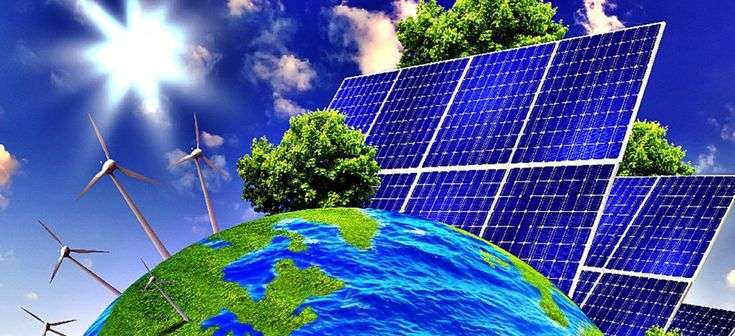
Renewable Energy: Alternative to Non-Renewable Energy, The Best Solution in Reducing the Effects of Environmental Damage and Fossil Fuels Limitations.
Hello chemical engineering and food engineering students!
Do you know about best solution in reducing the effects of environmental damage and fossil fuels limitations? For those who are not familiar with best solution in reducing the effects of environmental damage and fossil fuels limitations, you can read this article to enhance your knowledge about best solution in reducing the effects of environmental damage and fossil fuels limitations. Is it really important? Of course,The important matter of this is we must consistently improve our knowledge of chemical engineering.
The issue of energy availability is indeed something worth discussing. In the modern era where everything has progressed, there is something that continues to go unnoticed to the point of exhaustion. That thing is non-renewable energy. The utilization of this energy continues to be carried out on a large scale from the past to the present, which causes the existence of this energy to be endangered. It is undeniable that the world is still very dependent on fossil-based energy sources, such as natural gas, coal, and petroleum. In overcoming this problem, the use of renewable energy is something that really needs to be developed. Apart from its abundance, the environmental impact is also quite low. But first, what is renewable energy?
Renewable energy is an energy source that is abundantly available in nature and can be utilized continuously for the benefit of living things. Renewable energy can be the best solution to the limitations of non-renewable energy. Based research results, non-renewable energy can also have a negative impact if used for a long time. Therefore, in addition to the large availability of renewable energy in nature, the negative risks arising from this energy are also not large or even almost non-existent. The challenge is that almost all energy needs in Indonesia still come from non-renewable energy. At this time, the impact that can be felt due to the use of energy has begun to be felt. These impacts include drastic weather changes and increasing air temperatures due to the large amount of logging to open mining land. The most publicized case is the logging of forests in Kalimantan. Indonesia is one of the world's lungs, specifically the island of Kalimantan. If the area is logged continuously, the impact will not only be felt by the people of Indonesia, but also by the global population. Therefore, an immediate countermeasure and transformation are needed to immediately transition to renewable energy.
Renewable energy resources in Indonesia are abundant and can be derived from sunlight, geothermal, wind, water, and bioenergy, among others. Some of them have begun to be developed into a source of electricity generation. The following are examples of renewable energy applications that have been implemented in Indonesia.
Solar Energy
The sun is the primary and largest source of energy for living things. As a tropical country, the presence of the sun can be obtained throughout the year. This abundant solar energy can be converted into electrical energy. This technology is called Solar Power Plant (PLTS). In Indonesia, PLTS was first established in Bali, known as PLTS Karang Asem and PLTS Bangli. Over time, the spread of PLTS has expanded throughout Indonesia, with some homes and schools now applying this renewable energy.

Picture 1. PLTS
Source : www.rimbakita.com
Water Energy
Water energy can also be processed and converted into electrical energy. The technology that converts water energy into electricity is called PLTA (Hydroelectric Power Plant). The energy conversion mechanism is done by utilizing kinetic energy. The flow of moving water certainly has kinetic energy, which can rotate the turbine wheel into electrical energy. The source of water in this process must be consistent, as the availability of water greatly affects the size of the hydropower plant. The oldest hydropower plant in Indonesia was built during the Dutch colonial era around 1912.

Picture 2. PLTA
Source : www.tribunnews.com
Wind Energy
Just like water energy, the process of converting wind energy into electricity also utilizes kinetic energy. Kinetic energy from moving air can rotate the turbine, producing a certain amount of electrical energy. Usually, wind power plants (PLTB) are built on plains that are often passed by high-speed winds. However, wind energy is now also being installed in offshore areas with higher turbine positions and larger rotor diameters. Like other renewable energy sources, wind energy does not emit pollution that is harmful to the environment

Picture 3. PLTB
Source : www.ekonomi.kompas.com
Geothermal
Geothermal energy is a source of energy that comes from deep within the earth. The medium for this energy is usually through wells. Since Indonesia is one of the countries passed by the Pacific Ring of Fire, the availability of geothermal energy is very abundant. However, the process of utilizing geothermal energy is quite complicated compared to other energy sources. This is because before the process, it is necessary to make wells with a certain depth to reach the geothermal point, not to mention the risks posed are also quite dangerous during bad weather. In Indonesia, PLTP technology was first operated in 1982 in Bandung.

Picture 4. PLTP
Source : www.deliknews.com
Biomass
Biomass, also known as bioenergy, is an energy source derived from living things. This energy processing can come from combustion and natural decomposition of organic materials.

Picture 5. Energi Biomassa
Source : blog.cerdanyaecoresort.com
As mentioned earlier, the use of renewable energy is less likely to cause negative impacts when compared to non-renewable energy. By utilizing renewable energy, we have helped to reduce the level of global warming. Furthermore, we can also minimize air pollution because renewable energy is environmentally friendly. The availability of abundant energy sources can significantly improve the quality of life for living things and can reduce dependence on fossil-based energy. For humans, the utilization of renewable energy can save more resources and money because the process can use simple equipment with low maintenance costs.
As we conclude, it is imperative that chemical engineering and food engineering students stay ahead of the curve by embracing the cutting-edge knowledge of reducing environmental damage and the limitations of fossil fuels. This vital understanding will not only broaden their academic horizons but also propel their professional growth, ultimately empowering them to make a meaningful impact in the chemical industry.
Source :
Renewable Energy Indonesia. 2024. “Energi Terbarukan : Energi Kini dan Nanti”. Diakses pada 28 Mei 2024 dari https://renewableenergy.id/energi-terbarukan/.
Katadata. 2023. “Sumber Energi Terbarukan, Pengertian, Jenis, Manfaat, dan Contohnya”. Diakses pada 25 Mei 2024 dari https://katadata.co.id/ekonopedia/istilah-ekonomi/650a82375c82f/sumber-energi-terbarukan-pengertian-jenis-manfaat-dan-contohnya
Sinaga, dkk. 2021. “Pemanfaatan Energi Terbarukan Dengan Menerapkan Smart Grid Sebagai Jaringan Listrik Masa Depan”. Medan : Universitas Negeri Medan.
Popular Post

HIMATEKK Goes to Street: Aksi Nyata Mahasiswa Teknik Kimia ITS Tingkatkan Kepedulian Sosial di Bulan Ramadhan
Press Release News
27 May 2026

SCHOLATION #12 Find Out More About “Beasiswa Rumah Kepemimpinan Batch XII ”
Scholarship
18 February 2024