News
Green Cosmetics: Harnessing the Power of Oleochemicals for Beauty
21 March 2024 | CIC
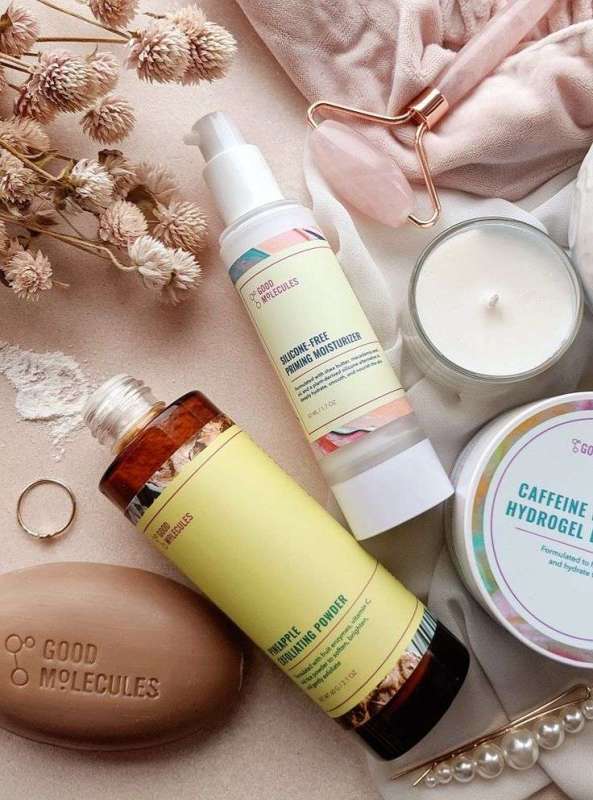
Green Cosmetics: Harnessing the Power of Oleochemicals for Beauty
Greetings for all chemical engineering students!
Do you know that oleochemicals can be utilised in cosmetics? Yes, you read that right! Oleochemicals, which is a branch of science that studies the process of converting vegetable raw materials into useful chemical products, has opened up new opportunities to enhance beauty. Just imagine, vegetable oils such as palm oil, coconut oil, and olive oil that we usually use for cooking can be converted into amazing active ingredients for beauty products! Using advanced chemical techniques, scientists can extract and refine the essential components of these vegetable oils, such as fatty acids, glycerin, and natural antioxidants.

Figure 1. Application of Oleochemical in Cosmetics
Source: https://www.apicalgroup.com/oleochemicals/
The cosmetics industry represents one of the promising growth areas identified for the development of downstream oleochemical processing to produce high value-added products. In 2023, it held the highest revenue share of 21.7%, driven by the increasing demand for various personal care items like skincare creams, hair care products, sunscreens, and oral care products.

Figure 2. Global Oleochemicals Market
Source: https://www.grandviewresearch.com/industry-analysis/oleochemicals-industry
These chemicals are used in formulating such personal care and cosmetic products. Interestingly, consumers tend to associate 'natural' with plant-derived products, believing them to be gentler and more eco-friendly compared to petrochemical or animal-based products. Religious considerations also make consumers prefer plant-derived products as they are considered halal. 'Natural' is what consumers desire, especially for personal care products, where people want something directly derived from nature.
Chemical engineers have played a crucial role in developing sustainable processes for oleochemical extraction. By employing techniques like solvent extraction and steam distillation, they can efficiently extract and isolate the desired compounds from plant or animal sources. Moreover, chemical engineers continuously improve these processes to minimise waste and energy consumption while maximising the yield of valuable oleochemicals. Once extracted, oleochemicals bring a plethora of benefits to green cosmetics. These compounds possess excellent emollient properties, making them ideal for moisturisers, creams, and lotions. Unlike synthetic alternatives, oleochemicals are highly biodegradable and have a minimal environmental impact.
Oleochemicals generated from palm oil can be used in a variety of compositions. The resulting emulsion can take on the consistency of a milk, lotion, or cream by adjusting the proportions of the oil components. Furthermore, several forms of emulsion, such as macroemulsion, microemulsion, or nanoemulsion, might occur depending on the production technique and the amount of surfactant/emulsifier utilised. Therefore, goods derived from palm oil and oleochemicals derived from palm trees can serve as the foundation for the delivery system, while the addition of plant or herbal extracts gives the products a specialised purpose for topical application.
Palm-based Hand and Body Lotion with Roselle Extract
Hibiscus sabdariffa, sometimes known as Roselle, is a member of the Malvaceae family. Because of its flavour and taste resemblance to cranberries, it is sometimes known as Florida cranberries. Roselle is a crop that is rain-fed in Sudan and Egypt, and it is thought to have originated there. It is now commonly grown in tropical regions.

Figure 3. Hibiscus sabdariffa
Source: https://live.staticflickr.com/7141/6749997423_c3b997f7c6_b.jpg
Research has indicated that several forms of vitamins and minerals are present in the edible parts of roselle. Palm-based oleochemicals and roselle extracts were used in the formulation of a number of palm-based CPC products, including sunblock cream, day/night cream, facial toner, cleaning milk, and hand and body lotion.
Palm-based Lotion with Ganoderma Extract
Ganoderma is a type of fungus that belongs to the basidiomycete group, meaning it lacks gills and is from the Polyporaceae family. In ancient Chinese pharmacopoeias, Ganoderma was documented as having the most potent and wide-ranging healing properties. Due to this recognition of its medicinal value, there has been diligent research into developing feasible methods for cultivating Ganoderma on a commercial scale. Analysis has shown that Ganoderma contains bitter terpenoids, steroids, nucleosides, nucleotides, glycans, proteoglycans, peptidoglycans, as well as various other low molecular weight compounds.

Figure 4. Ganoderma Root
Source: https://photos.demandstudios.com/46/145/fotolia_4434042_XS.jpg
A skin lotion formulated using palm-based oleochemicals and an extract from Ganoderma was found to exhibit a skin lightening effect comparable to lotions containing licorice and arbutin, which are commercial skin whitening active ingredients. The Ganoderma extract may contain compounds that inhibit the tyrosinase enzyme, which catalyses the formation of melanin pigments in the skin.
Palm-based Facial Cream with Guava Extract
Guava is a highly nutritious fruit, rich in vitamins A and C. Its seeds are a good source of omega-3, omega-6 polyunsaturated fatty acids, and especially dietary fibre. A single guava fruit contains more than four times the amount of vitamin C found in an orange (over 200 mg per 100g serving).


Figure 5. Pink Guava

It also has good levels of the dietary minerals potassium and magnesium, and generally provides a wide range of essential nutrients with a low-calorie count. Guava is rich in carotenoids and polyphenols, which are major classes of antioxidant pigments. A study on the topical application of a palm-based facial cream containing guava extract found that the forehead sebum level was significantly reduced by approximately 36%. This reduction in sebum level on the forehead indicated that the palm-based facial cream with guava extract can be used to control facial sebum levels and is suitable for treating oily skin.
Additionally, oleochemicals can act as natural surfactants, which lower the surface tension between water and oil, enabling them to mix together. This property is essential in formulating skin cleansers and shampoos. Chemical engineers are continually researching and innovating to find new and more sustainable surfactants derived from oleochemicals. Moreover, oleochemicals play a pivotal role in the creation of natural pigments and dyes for cosmetics. From vibrant lipsticks to eyeshadows, plant-based oleochemicals provide non-toxic alternatives to harmful synthetic colourants. Chemical engineers are at the forefront of developing extraction and purification processes to obtain these natural pigments efficiently.
In conclusion, the field of green cosmetics is witnessing a revolution thanks to the power of oleochemicals. Chemical engineering plays a vital role in ensuring the sustainable extraction and application of these compounds in beauty products. From soaps to moisturisers and from surfactants to pigments, oleochemicals are reshaping the way we approach beauty, embracing natural and eco-friendly alternatives. As consumer demand for green products continues to rise, chemical engineers will undoubtedly drive innovation and pave the way for a greener, more sustainable beauty industry.
It is very important to always follow and be informed about topics related to the world of chemical engineering such as Oleochemicals for chemical engineering and food engineering students. So that they always have broad knowledge and fulfill their thirst for knowledge.
References
grandviewresearch.com. (2023, Maret). Oleochemicals Market Size, Share & Growth Report, 2030. Diakses pada 16 Maret 2024, dari https://www.grandviewresearch.com/industry-analysis/oleochemicals-industry
Ismail, R., Aldrin, Z., & Hassan, H. (2014). Synergy of palm and plant extracts for application in cosmetics. Palm Oil Develop, 1-6.
Hello chemical engineering and food engineering students!
Do you know about Oleochemicals? For those who are not familiar with Oleochemicals, you can read this article to enhance your knowledge about Oleochemicals. is really important? Of course, as a chemical engineering students, we must consistently improve our knowledge of chemical engineering.
Popular Post
Internationalization #3 ASEAN Student Mobility Programme In Conjunction With The ASEAN Universities Exhibition and Forum 2025 (AEF2025)
Internationalization
23 December 2024


