News
World Environment Day
02 June 2024 | Social Issue
Hello Chemical Engineering and Food Engineering students!!!
From the verdant rainforests of the Amazon to the burning desert of the Sahara, our planet's diverse ecosystems are both a testament to the Earth's beauty and a barometer of its health. As we face unprecedented environmental challenges, deforestation, pollution, and biodiversity loss, World Environment Day is an emergency call to every instance to remind everyone that the environment is abundant and needs to be conserved.
Every year on the 5th of June, the world binds together for one day to commemorate World Environment Day. Established in 1974 by the United Nations in New York City, United States, this annual event is a testament to the actions that have been caused throughout the years by human beings.
General Theme
This annual event has different themes and different host cities for the world to come together and commemorate the urgency of sustainable practices. This particular year, the UN Environment Programme (UNEP) chose the theme of “Land Restoration, Desertification and Drought Resilience” and will be held in Riyadh, Saudi Arabia. Maybe you are wondering, why this particular theme or what is the urgency. Those will be explained below.
Land Restoration
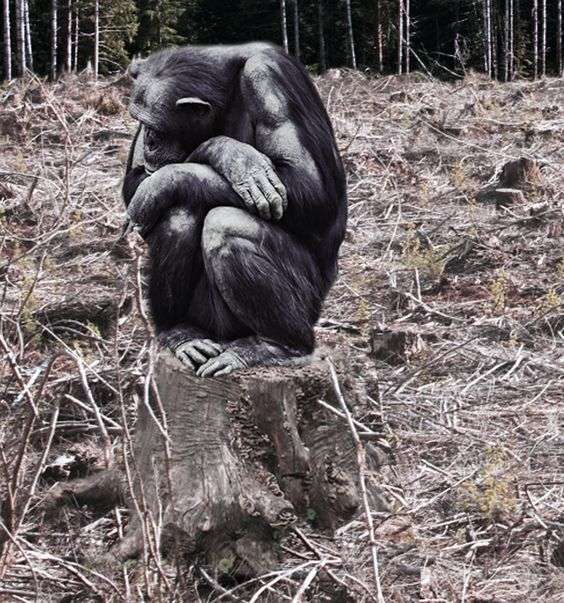
Over 50% of Indonesia's total area, or 93.8 Mha, was covered by primary forest in 2001. It lost 292 kha of primary forest in 2023, which is the same as 221 Mt of CO2 emissions. According to MoEF-WRI analysis, 144 kha of this loss fell under Indonesia's designated forest land cover classes and had a patch size of more than two hectares.


Figure 1. Deforestation in Indonesia
Formerly known as the heart of the earth, Kalimantan is experiencing severe deforestation by the government, especially for the construction of our new capital city, sparking controversy around the world, about whether this is a sustainable and urgent decision or not (Global Forest Watch, 2024).
Desertification
Figure 2. Desertification Vulnerability

According to the United Nations, desertification is a phenomenon where land degradation happens in arid, semi-arid, and dry sub-humid areas resulting from various factors. Although this is not a phenomenon that happens in Indonesia, this phenomenon affects numerous aspects that will affect the whole world in the future, especially food security. Desertification occurs in many parts of the world such as Africa, North America, and Australia. The two main categories of direct causes of desertification are climate-related and those that have to do with how the land is managed or isn't. Deforestation, excessive animal grazing, excessive agricultural cultivation, and improper irrigation are examples of the former, while natural climate variations and global warming brought on by greenhouse gas emissions from human activity are examples of the latter (Carbon Brief, 2019).
Drought Resilience
Grazing the topic from before, drought is not something that Indonesians have experienced, but further exposure to this phenomenon will affect global security as this phenomenon directly affects things such as health, agriculture, economies, energy, and the environment. According to the UN, an estimated 55 million people are affected by droughts yearly. Water scarcity impacts 40% of the world’s population, and as many as 700 million people will be at risk due to the severe water scarcity (World Health Organization, -). Further information stated that 80 to 90 percent of all-natural disasters are a direct effect of drought.
b. Anything that we can do?
Absolutely Yes We can all join forces to combat climate change. As students with limited resources, there are numerous ways we can contribute to a better world:
Spread the Word
Educate and raise awareness about the importance of environmental conservation among friends, family, and community members.
Reduce, Reuse, Recycle
Practice sustainable habits in daily life by reducing waste, reusing items whenever possible, and recycling materials to minimize the environmental impact.Support Local Initiatives
Collaborate with local community projects focused on soil conservation, reforestation, and water conservation to make a tangible difference in our immediate surroundings.
By embracing these simple yet powerful actions, we can collectively contribute to a more sustainable future. Remember, every small step counts, and together we can make a significant difference. As we transition into adulthood, it is crucial that we recognize the profound impact our actions have on the planet. The way we destroy our earth today will ultimately be the way the earth destroys our civilizations tomorrow. Let us strive to be the guardians of our planet, ensuring a thriving world for generations to come and let us be mindful and cherish our planet, for we are merely passengers on spaceship earth.
“Earth provides enough to satisfy every man's need, but not every man's greed.”
-Mahatma Gandhi-
Popular Post
TEFL Preparation #13 Upcoming July British Council English Score Onsite
TEFL Preparation
29 June 2025