News
Waste Management: The Key to Sustainable and Environmentally Friendly Industry
28 September 2024 | CIC
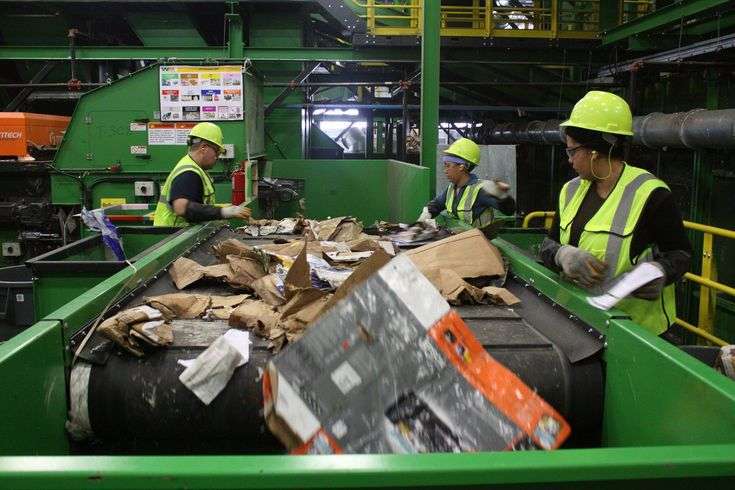
Hello chemical engineering and food engineering students!
Do you know about waste management? For those who are not familiar with waste management, you can read this article to enhance your knowledge about waste management. Is it really important? Of course,The important matter of this is we must consistently improve our knowledge of chemical engineering.
Pollution in various forms can have a negative impact, not only on the environment and wildlife, but also on human health and well-being. Often, pollution is a serious threat to everyday life. However, what exactly is meant by environmental pollution and what are its types?
Based on data from the Ministry of Environment and Forestry (KLHK), Indonesia is estimated to produce 30.97 million tons of waste in 2023. However, this figure does not fully reflect the situation, because as of July 17, 2024, the available waste data only covers 280 districts/cities, while Indonesia has a total of 514 districts/cities. Of the recorded waste, around 20.2 million tons (65.24%) have been managed properly, while 10.77 million tons (34.76%) are still unmanaged.
According to Law No. 4 of 1982 concerning the Principles of Environmental Management, as explained by the Ministry of Environment of the Republic of Indonesia, environmental pollution is the entry or introduction of living things, substances, energy, or other components into the environment. In addition, pollution can also occur due to changes in the environmental order caused by human activities or natural processes. The impact? Environmental quality decreases to the point where the environment can no longer function properly according to its intended use. One of the main causes of environmental pollution is waste.
Waste can be categorized into several types based on its form and nature. First, solid waste is waste in solid form, such as household waste, food waste, plastic, paper, and building materials. Second, liquid waste includes waste in liquid form that comes from domestic, industrial, or commercial activities, such as used washing water, factory waste, and production process waste. Third, gas waste is gas emissions released into the atmosphere, usually produced by motor vehicles, industry, or energy generation, with examples such as carbon dioxide (CO₂) and sulfur dioxide (SO₂). In addition, there is B3 waste (Hazardous and Toxic Materials), which is waste that contains hazardous substances such as chemicals, heavy metals, or pesticide residues that can harm health and the environment. Waste can also be divided into organic waste, which is waste that can decompose naturally such as food waste and dry leaves, and inorganic waste, which is difficult to decompose naturally such as plastic, metal, and glass. Each type of waste requires proper handling to minimize its negative impact on the environment and humans.
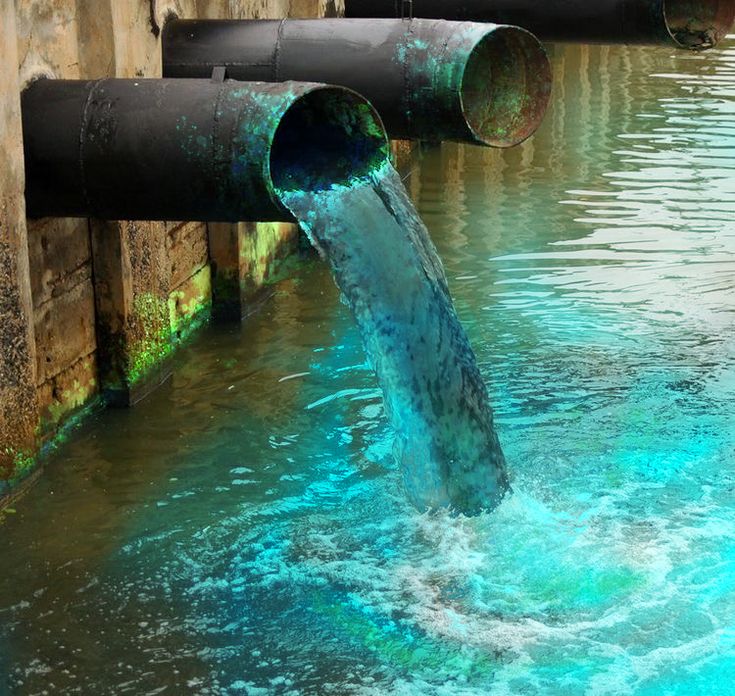
Waste is a by-product of industrial production processes that has no economic value and is actually detrimental because it can pollute the environment. Based on its characteristics, waste is divided into four types, namely solid waste, liquid waste, gas waste, and B3 waste (Hazardous and Toxic Materials). In Indonesia, the most common waste problem is liquid waste, which is liquid waste that comes from industrial process residues and can pollute the environment. Wastewater is water that contains garbage or waste from households, businesses, and industries which is a mixture of water with dissolved or suspended solids, as well as wastewater from industrial processes that are discharged into the environment. Therefore, waste management is very important to change its characteristics and composition, reduce adverse impacts, and ensure that waste meets quality standards so that it is safe to dispose of.
Waste treatment is a series of processes to remove or decompose pollutants in wastewater, so that the properties of these pollutants can be eliminated. This process involves physical, chemical, and biological approaches. The purpose of waste treatment is to increase access to environmentally friendly waste management services, in order to create a better quality of life for the community and maintain environmental sustainability to remain healthy.
Waste treatment can be done using various methods depending on the type of waste and the impact it produces. Physical treatment such as filtration and sedimentation is used to separate particles based on their physical properties, generally applied to liquid and solid waste. Chemical treatment involves chemical reactions such as coagulation and neutralization to reduce or eliminate hazardous substances in waste, especially in industrial and B3 waste. Biological treatment utilizes microorganisms to decompose organic materials, often used in the treatment of domestic wastewater and organic waste through methods such as activated sludge or compost. Recycling allows inorganic waste such as plastic, metal, and paper to be reprocessed into new usable products, reducing the waste load on the environment. Incineration, or burning at high temperatures, is used to reduce the volume of solid waste or B3 waste, although concerns need to be raised about the emission of hazardous gases. Composting is a natural way to decompose organic waste such as food scraps into fertilizer that is useful for agriculture. In addition, there is anaerobic treatment, which breaks down organic waste without oxygen and produces biogas as an alternative energy source. A combination of these methods is often applied to achieve more efficient and environmentally friendly waste management.
The waste processing process involves several important stages to reduce its negative impact on the environment and to reuse materials that still have value. Starting from collection and separation, waste is collected from various sources such as households and industries, then separated based on its type, be it organic, inorganic, or B3 (Hazardous and Toxic Materials). After that, initial processing is carried out to prepare the waste through physical processes such as filtering and separating large particles. In primary processing, simple physical and chemical techniques are used to reduce pollutant content, such as sedimentation in wastewater or scrubbers for gas waste. Continued with secondary processing, where more complex biological or chemical methods are applied to decompose organic materials or neutralize hazardous substances. Then, in tertiary processing, further steps such as filtration and disinfection are carried out to ensure that the waste meets quality standards before being disposed of. After processing, waste that still has value can be reused through recycling, such as processing organic waste into compost or inorganic waste into new products. Finally, the remaining waste that cannot be further processed is safely disposed of in a landfill or through incineration to reduce its volume, with hazardous residues stored in special facilities so as not to pollute the environment.
Studying chemical engineering plays a crucial role in addressing waste management issues. With knowledge of various chemical processes, such as precipitation and neutralization, students can design efficient treatment methods to reduce pollutants. In addition, chemical engineering drives innovation in the development of new technologies, such as biofiltration and anaerobic processes, which are more environmentally friendly. Waste analysis and characterization are also important focuses, as understanding the composition of waste is essential to determining the right treatment method. Green principles in chemical engineering teach the importance of minimizing environmental impacts, including the use of more environmentally friendly raw materials and waste reduction. In addition, chemical engineering graduates can provide consultation to companies and governments on hazardous waste management and help formulate sustainable policies. Thus, education in chemical engineering provides the tools and knowledge needed to create innovative solutions in waste management, contributing to environmental sustainability and public health.
Waste management is an important step in maintaining environmental sustainability and public health. By implementing various treatment methods, we can not only reduce the negative impacts of waste but also reuse existing resources. Implementing effective waste management will result in a cleaner and healthier environment, as well as providing economic benefits through the recovery of valuable materials and the creation of energy. Therefore, it is important for every individual and institution to actively participate in waste management for a better future.
It is crucial for chemical engineering and food engineering students to stay informed and up-to-date on topics such as waste management, as this knowledge is vital for their understanding of the chemical industry. By doing so, they can expand their knowledge base and satiate their thirst for learning, ultimately enhancing their professional prospects. In conclusion, the importance of waste management cannot be overstated, and it is essential for students to stay informed about this crucial aspect of chemical engineering.
Referensi :
Anggraini, A. N. (2018). Proses pengolahan dan analisis air limbah industri PT. Surabaya Industrial Estate Rungkut (SIER) Surabaya. Universitas PGRI Adi Buana Surabaya, Surabaya.
Cahyo, Y. I. (2015). Analisis fisika dan kimia limbah cair di Instalasi Pengelolahan Air Limbah (IPAL) PT. Surabaya Industrial Estate Rungkut (SIER) Surabaya. Institut Teknologi Sepuluh Nopember, Surabaya.
Ginting, I. P. (2007). Sistem pengelolaan lingkungan dan limbah industri (Edisi Pertama). Yrama Widya, Bandung.
Popular Post
Laboratory Expo 2026: Bekali Mahasiswa Teknik Kimia ITS Menuju Tahun Akhir Melalui Lab Introduction dan Lab Tour
Press Release News
27 May 2026
INTERNATIONALIZATION #3 Research Internship Program at UTM 2024
Internationalization
19 February 2024