News
The Future of Petrochemicals: Innovations Driving a Sustainable Industry
17 July 2024 | CIC
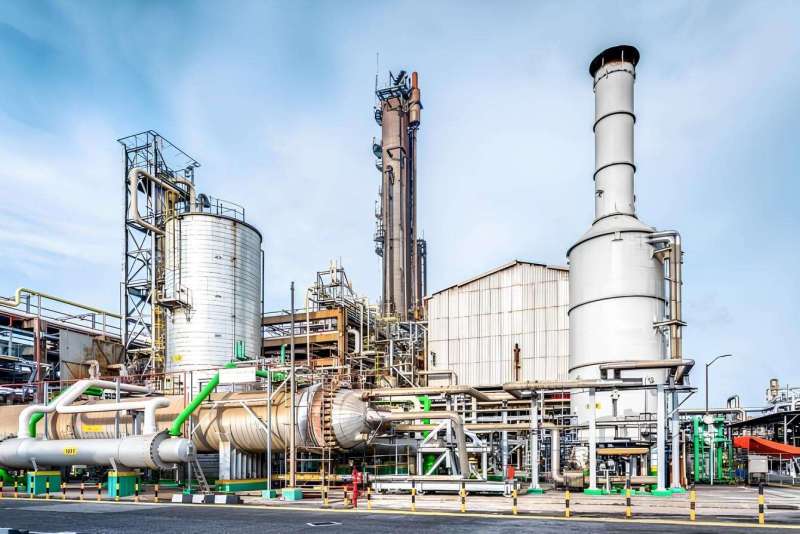
Should we know about the innovations in petrochemicals as chemical engineering students now?
Hello to all chemical engineering and food engineering students!
Have you been keeping up with the latest developments in the petrochemical industry? What are the innovations and practices, can we as chemical engineering students learn and contribute new innovations to the industry? Let's explore the latest developments in the petrochemical industry to understand its progress.
As the world moves towards a more sustainable and environmentally conscious future, the petrochemical industry has undergone a significant transformation. Innovation and technological advancements are driving the industry towards a more efficient use of resources. The importance of the petrochemical industry cannot be ignored as it plays a vital role across the globe.
In Indonesia, several innovations in the petrochemical industry include various technologies and approaches to improve production efficiency, reduce environmental impact, and utilize resources more sustainably. Here are some of the innovations and practices that are developing in the world petrochemical industry today:
Advanced Catalysis
One of the most significant advances in petrochemical technology has been the creation of improved catalytic processes. The catalyst, which is a material that continuously accelerates chemical processes, is critical in refining crude oil and natural gas into valuable petrochemicals. The most recent research efforts are focused on developing more efficient and selective catalysts that can function in lighter settings, lowering energy consumption and greenhouse gas emissions.
One example is the work of researchers at the University of California, Berkeley, who developed a new type of zeolite catalyst. These new zeolites perform better in the conversion of methanol to hydrocarbons, which is essential in petrochemical production. Zeolites with large specific surface areas, regular micropores, and changeable acidity or temperature have emerged as excellent containers for immobilizing tiny and dispersed metal species. Metal catalysts supported by zeolite have recently been widely used in a variety of catalytic processes, demonstrating their exceptional activity, superior thermal or hydrothermal durability, and unusual shape selectivity.

Figure 1. Zeolite Catalyst
Source : https://phys.org/news/2014-05-catalysts-petrochemical-industry.html
Technology-based Product Development
Digital transformation is another significant trend that is transforming the petrochemical industry. The integration of digital technologies such as artificial intelligence (AI), machine learning (ML), and the Internet of Things (IoT) facilitates more precise monitoring and management of manufacturing processes. It not only increases operational efficiency, but it also enhances safety and reduces waste. One notable example is the adoption of predictive maintenance systems powered by AI. The system uses data from sensors mounted on equipment to predict faults before they happen, allowing for early maintenance and avoiding costly downtime. A study by Zhang et al. (2021) demonstrated that predictive maintenance driven by AI could reduce operational costs by up to 15% and increase equipment lifespan by 20%.
Bio-based Feedstocks
Shifting from fossil-based to bio-based feedstocks is a key strategy to improve the sustainability of petrochemicals industry. Bio-based feedstocks are derived from renewable biological sources and can significantly reduce the carbon footprint of petrochemical products. Advances in biotechnology have enabled the efficient conversion of biomass into various petrochemical precursors.
Researchers at the National Renewable Energy Laboratory (NREL) in the United States have developed a process to convert lignocellulosic biomass, such as agricultural residues and wood chips, into biobased ethylene which is an important feedstock for many petrochemical industries. This process not only offers a sustainable alternative to traditional ethylene production but also promotes the utilization of waste biomass.

Figure 2. Lignocellulosic Biomass Ilustration
Source : https://langit7.id/read/6085/1/biomassa-lignoselulosa-sumber-energi-dan-bahan-maju-terbarukan-masa-depan-1635012610
Carbon Capture and Utilization

Figure 3. CCUS Process
Source : https://carboncredits.com/how-does-carbon-capture-and-utilization-work/
In the petrochemical industry, CCUS can be applied to large plants that generate CO2 as a by product of the production process. CCUS technology can enable plants to capture this CO2 before it is released into the atmosphere and then utilize it or store it.
A pioneering project led by BASF involves the development of CCUS technology that converts CO2 into formic acid, a valuable chemical used in various industrial applications. This technology not only mitigates carbon emissions but also provides a sustainable source of formic acid, thereby reducing dependence on fossil-based production methods.
For chemical engineering students, understanding these innovations is crucial. It not only prepares us for future challenges in the industry, but also inspires us to explore new paths of innovation. By utilizing our knowledge and skills, we can contribute to the development of sustainable solutions in the petrochemical sector.
The petrochemical industry will continue to evolve and be driven by innovation and a commitment to sustainability. As aspiring chemical engineering professionals, let's embrace the changes and strive to make a real contribution to a more sustainable world through our work in petrochemicals. Let's continue to explore and innovate towards a brighter future for the petrochemical industry.
It is crucial for chemical engineering and food engineering students to stay informed and up-to-date on topics such as driving the petrochemical industry toward sustainability, as this knowledge is vital for their understanding of the chemical industry. By doing so, they can expand their knowledge base and satiate their thirst for learning, ultimately enhancing their professional prospects. In conclusion, the importance of driving the petrochemical industry toward sustainability cannot be overstated, and it is essential for students to stay informed about this crucial aspect of chemical engineering.
References
Jones, R., et al. 2022. "Enhanced Catalytic Performance of Zeolites for Methanol to abcdefgHydrocarbons Conversion." Journal of Catalysis, 389, 45-57.
Kashani, H., et al. 2021. “Advanced Materials.” WILEY Online Library, Vol. 33, 51.
Müller, D., et al. 2021. "Carbon Capture and Utilization for Formic Acid Production." ACS abcdefgSustainable Chemistry & Engineering, 9(6), 2342-2350.
Smith, J., et al. 2022. "Bio-based Ethylene Production from Lignocellulosic Biomass." abcdefgBiotechnology Advances, 54, 107811.
Van der Laan, S., et al. 2023. "Low-Energy Chemical Recycling of Plastics." Chemical abcdefgEngineering Journal, 427, 131529.
Zhang, L., et al. 2021. "AI-Driven Predictive Maintenance for Petrochemical Equipment." abcdefgIndustrial & Engineering Chemistry Research, 60(5), 1500-1510.
Popular Post


Laboratory Expo 2026: Bekali Mahasiswa Teknik Kimia ITS Menuju Tahun Akhir Melalui Lab Introduction dan Lab Tour
Press Release News
27 May 2026