News
Should Chemical Engineering Students Learn Oleochemicals?
21 March 2024 | CIC
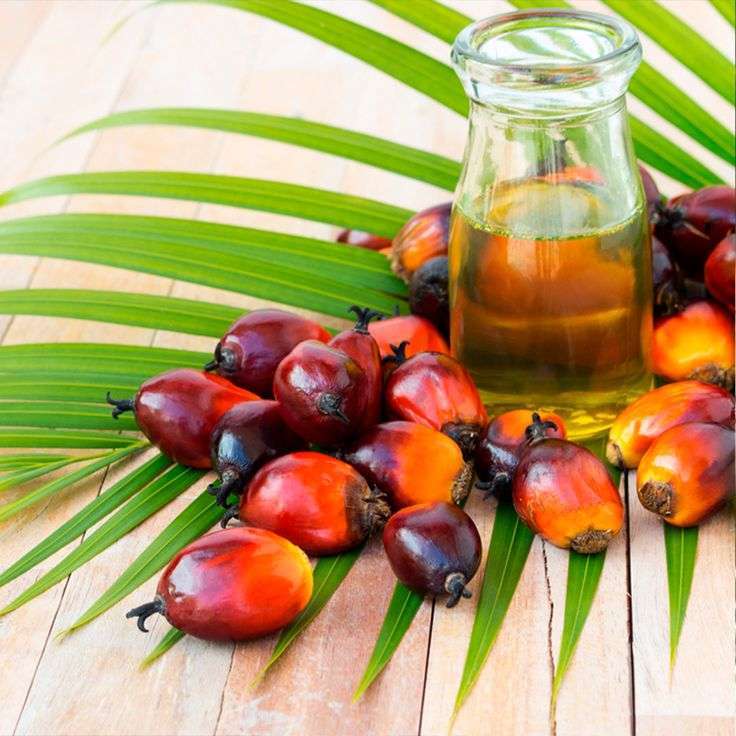
Should Chemical Engineering Students Learn Oleochemicals?
Hello chemical engineering and food engineering students!
Do you know about Oleochemicals? For those who are not familiar with Oleochemicals, you can read this article to enhance your knowledge about Oleochemicals. is really important? Of course, as a chemical engineering students, we must consistently improve our knowledge of chemical engineering.
Have you ever heard of oleochemical? If you are not familiar with oleochemicals, you can read this article to learn more. Are oleochemical important? Of course, as chemical engineering students, we need to continue to learn about oleochemicals, because oleochemicals have a wide variety of benefits in everyday life. Indonesia has great potential for oleochemical development. This is driven by the abundant availability of palm oil raw materials. With good management, the Indonesian oleochemical industry can grow rapidly and become a major player at the global level.

Fig 1. Oleochemical Industries in Indonesia
Studying oleochemical will open up various interesting career opportunities. Chemical engineering graduates with a specialization in oleochemicals can work in various fields, such as research and development, production, and marketing of oleochemical products.Therefore, it is important for chemical engineering students to keep up with the latest developments in the field of oleochemical. By continuing to learn and explore knowledge, students can contribute to the advancement of the Indonesian oleochemical industry.
Oleochemicals are chemical compounds derived from fats and oils of both plant (vegetable) and animal origin. Since they are derived from living organisms, oleochemicals are also known as biobased chemicals.
Based on the level of downstream processing, oleochemicals can be classified into:
Basic oleochemicals: These include fatty acids, fatty alcohols, glycerol/glycerin, and methyl esters.
Intermediate oleochemicals: These are compounds produced from further processing of basic oleochemicals, such as ethoxylated fatty acids, ethoxylated fatty alcohols, monoacylglycerol, soap noodles, and others.
Oleochemical-based products: These are finished products consumed by end-users and use intermediate oleochemical products as raw materials. Examples include personal care products, cosmetics, coatings, adhesives, elastomers and sealants, surfactants, cleansing agents, emulsifiers, foam boosters, degreasers, lubricants, grease and metalworking fluids, pharmaceuticals, nutraceuticals, and others.

Fig 2. Applications of Oleochemical
Oleochemicals have a wide range of applications in various industries due to their unique properties. They can be used as:
Emulsifiers: To help mix oil and water together
Lubricants: To reduce friction and wear
Thickeners: To increase the viscosity of a liquid
Detergents: To clean and remove dirt
Plasticizers: To make plastics more flexible
Surfactants: To reduce surface tension and improve wetting

Fig 3. Oleochemical Process
In industry, oleochemical processes involved in the palm oil industry can be categorized into three main operations; upstream operation (planting and milling), midstream operation (physical/chemical refining), and downstream operation (palm-based oleochemical processing). The processing begins with the selection of raw materials, which are primarily plant-based oil and fats. These can include vegetable oils such as palm, soybean, coconut oil, as well as animal fats like tallow and lard. After collected, the first major step in oleochemical processing is hydrolysis, where the raw materials are broken down using water and heat in the presence of a catalyst. This process results in the formation of fatty acids and glycerol. Following hydrolysis, the fatty acids undergo purification to remove any impurities. This typically involves distillation, where the mixture is heated, and the fatty acids are separated based on boiling points. The purified fatty acids undergo further conversion to produce various oleochemicals. This can include processes such as esterification, where the fatty acids are combined with alcohols to produce esters, or hydrogenation, where the fatty acids are saturated with hydrogen to produce solid fats. Other conversion processes include oxidation, where the fatty acids are oxidized to produce oxygenated compounds, or transesterification, where the fatty acids are reacted with alcohols to produce biodiesel. Throughout these oleochemical processing stages, quality control and testing are critical to ensure the final products meet the required specifications.
Advantages:
Renewable resources: Derived from plant and animal sources, offering a sustainable alternative to petroleum-based chemicals.
Biodegradable: Many oleochemicals are readily broken down by microorganisms, reducing environmental impact.
Low toxicity: Generally less toxic than some petroleum-based alternatives.
Versatility: Wide range of applications and functionalities.
Challenges:
Sustainability concerns: Palm oil production, a major feedstock, can lead to deforestation and environmental issues.
Competition with food production: Increasing oleochemical demand might put pressure on land use for food crops.
Price fluctuations: Prices can be volatile due to factors like feedstock availability and global economic conditions.
The oleochemical industry has a bright future. The increasing demand for sustainable and environmentally friendly products, coupled with the growing middle class in developing countries, is expected to drive growth in the industry in the coming years.
It is very important to always follow and be informed about topics related to the world of chemical engineering such as Oleochemicals for chemical engineering and food engineering students. So that they always have broad knowledge and fulfill their thirst for knowledge.
References :
Kamarden, H., et al. (2018). "Process simulation of integrated palm oil mill, refinery and oleochemical processes." IOP Conference Series: Materials Science and Engineering. Vol. 458. IOP Publishing.
Monitor Papi. (2021). “Oleokimia Dalam Industri Hilir Sawit Indonesia.” https://palmoilina.asia/wp-content/uploads/2021/09/2.36.-OLEOKIMIA-DALAM-INDUSTRI-HILIR-SAWIT-INDONESIA.pdf
Popular Post